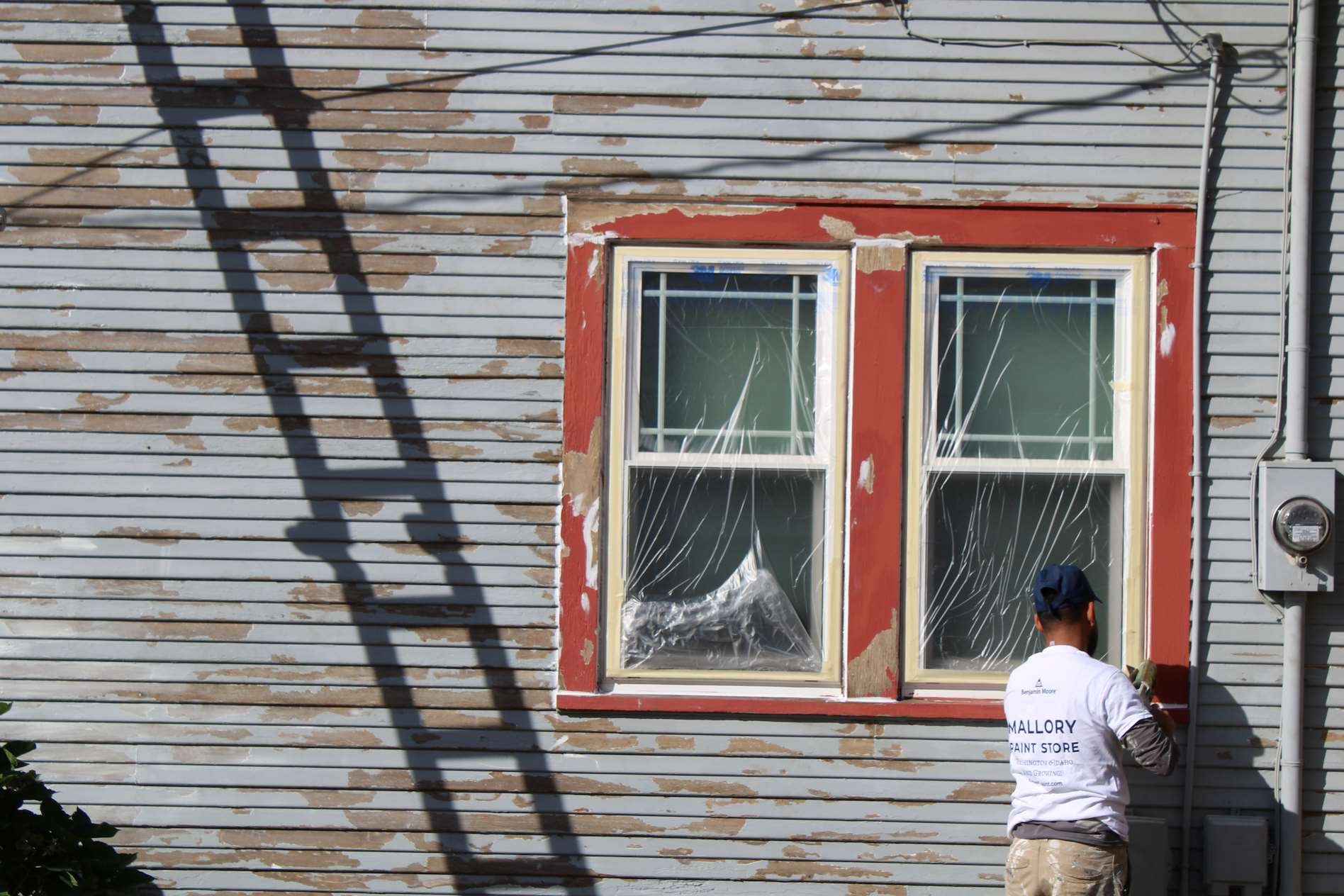
If you are dealing with exterior trim paint peeling in the PNW, you are definitely not the only homeowner noticing it. You walk around your house and the siding still looks pretty good. Then you get to a window, the fascia, or the corner boards and suddenly there it is: cracking, bubbling, or paint peeling away from the trim.
Trim lives in all the places where water collects, materials meet, and weather finds its way in. Window frames, fascia boards, door trim, exposed edges, and joints all take more abuse than a big, uninterrupted section of siding.
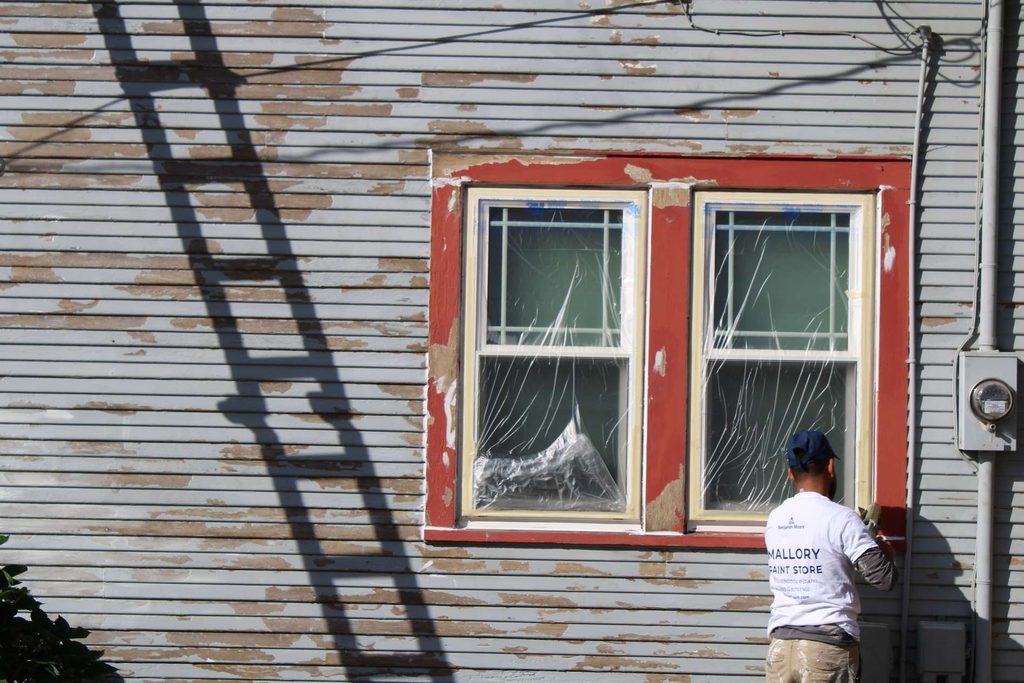
You would think a house ages all at once. It doesn’t. Around here, trim is often where the trouble shows up first, which is worth paying attention to because a small trim problem is much easier to deal with while it is still small.
Why Does The Trim Go First?
Think about where exterior trim actually sits.
It wraps windows and doors. It covers roof edges. It creates seams between different materials. It has corners, cut ends, joints, ledges, and little horizontal surfaces where rainwater can sit longer than it does on siding.
Those are all opportunities for moisture to work its way behind the paint.
Sherwin-Williams identifies failed or missing caulk, clogged gutters, leaking roofs, damp surfaces, and other sources of moisture as common causes of exterior paint peeling. Once moisture gets into the surface, painted wood can swell and the paint film can eventually loosen, crack, and peel.
Your trim is not necessarily failing because someone chose “bad paint.” It may be failing because it sits exactly where the house is most vulnerable.
Not sure whether what you’re seeing is normal wear or the start of a bigger exterior issue? Take a look at our Exterior Painting services to see what we assess and address before a new coat ever goes on.
The Wet-Dry Cycle Is Brutal on Edges
Our weather does this thing where it rains for days, then the sun comes out hot, then it rains again. That constant swing is harder on paint than either straight rain or straight sun would be.
After months of damp weather, Portland and Vancouver can suddenly get long dry stretches and hot afternoons. South and west-facing trim receives particularly strong sun exposure. Darker surfaces can heat up considerably in direct sunlight, and excessive heat can contribute to blistering, wrinkling, and peeling if coatings are applied or performing under unsuitable conditions.
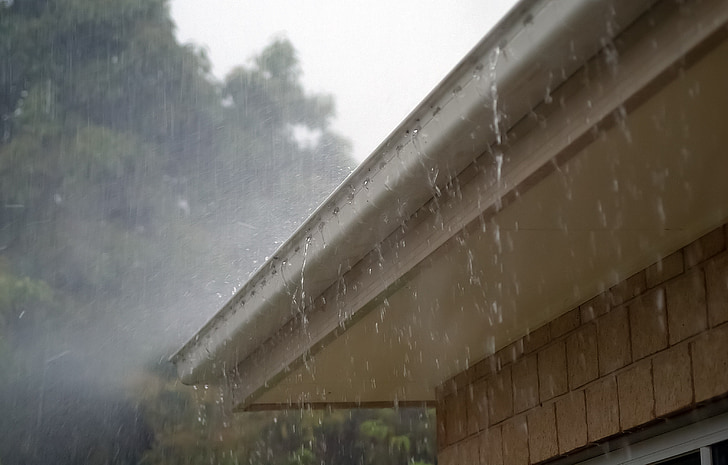
This is the same wet-dry cycle that shortens exterior paint life across the board here, which we got into in our blog on How to Tell If Your House Needs a New Paint Job. Trim just feels it first.
Window Trim Is Basically On The Front Lines
Window trim is one of the first places we look when assessing an exterior.
Sills in particular take a beating because they can catch rain rather than simply shed it. If water repeatedly sits on the surface, it can penetrate weaknesses in the paint film. Cracked or missing caulk around the frame creates another opening for moisture.
Sherwin-Williams notes that standing water on window sills and poorly sealed framing can both contribute to peeling paint around windows. Their guidance also emphasizes priming bare areas and properly caulking joints and crevices before repainting.
This is why painting over peeling window trim without fixing the cause usually buys you very little time. It might look better for a season. Then Portland rain arrives again and the same patch starts peeling.
Caulk Fails Before Paint Does, and Takes the Paint With It
A lot of exterior trim paint peeling is not really about the paint at all. It is the caulk underneath and around it giving up first.
Caulk seals the seam where trim meets siding, where two trim boards meet, and around windows and doors. It is flexible when it is fresh, but our sun and our temperature swings dry it out and turn it brittle over a few years. It shrinks, cracks, and pulls away from the joint. Now there is a tiny gap right at a seam, rain runs into it, and it sits against the back of the wood where you cannot see a thing. The face can still look okay for a while. Then the paint starts peeling from behind, and by the time it shows on the surface, moisture may have been getting into that area for quite some time.
That is why a good exterior job spends real time on caulk and prep instead of just rolling on color. Properly applied exterior caulk is doing quiet work behind the scenes, helping keep water out of the joints that actually need to be sealed.
Not sure whether your caulk lines are still doing their job? That is one of the first things we check during an exterior assessment, and we are happy to take a look before it turns into anything bigger.
Where We See Trim Fail First
When we walk a house in Portland or Vancouver, the peeling trim shows up in a pretty predictable order.
- Fascia and rakeboards. Right under the gutters, taking roof runoff all winter. Often one of the first areas to show wear, and one of the easiest to ignore because it is up high and out of your daily eyeline.
- Window sills and casing tops. Flat surfaces that pool water. South and west windows get the added UV beating on top of the rain.
- Door casings and thresholds, especially on entries with no porch cover, where wind-driven rain hits them straight on.
- Corner boards and trim ends, where exposed end grain wicks water up into the board from the bottom.
- Deck and porch trim down low, close to splashback and slow to dry in the shade.
The Tiny Problem Now, Expensive Problem Later Part
Peeling trim looks cosmetic, and that is what gets people. A little flaking at the edge of a fascia board reads like something you can deal with next summer. Or the summer after.
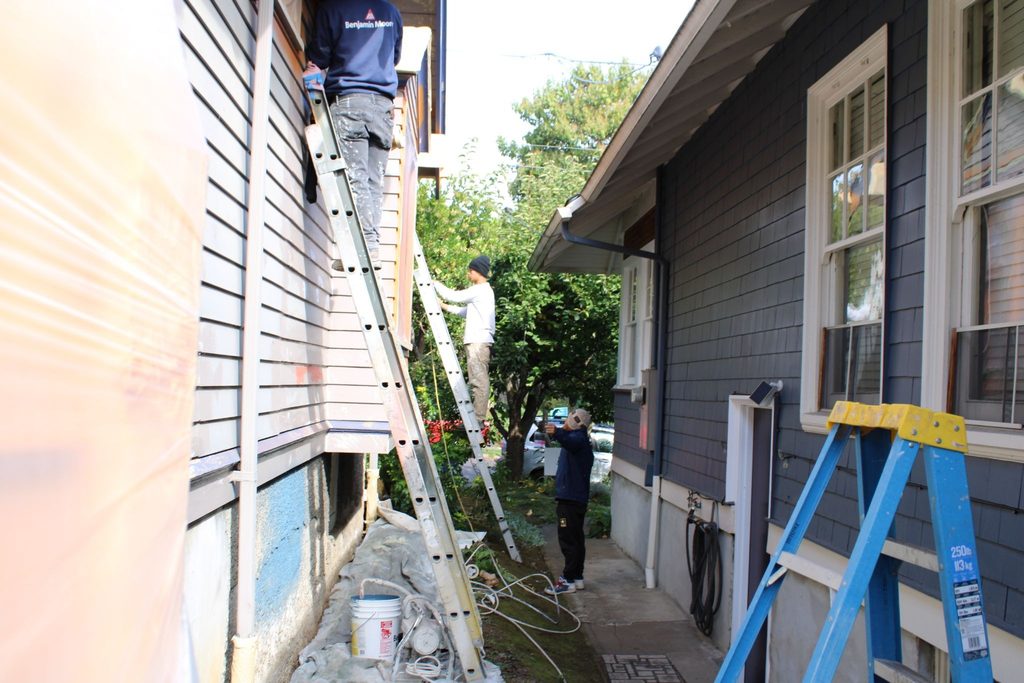
Paint peeling off trim means the wood under it is getting wet, and wet wood in our climate does not just sit there and wait. It rots. It grows the mildew and moss we all know too well. Soft, punky fascia can pull away from its fasteners and start dragging on the gutter line. What could have been a scrape, caulk, prime, and repaint on one board turns into carpentry: replacing rotted fascia, rebuilding a window sill, chasing water damage back into the wall. That repair can cost significantly more than dealing with the failing paint and seal early.
Catch it while it is still just paint and it stays a paint job. Let it ride a couple more wet seasons and it becomes a wood job.
If you are looking at some peeling and cannot tell which one you are dealing with, call us at 360.200.0021 and we will give you a straight answer, even if the answer is that it can wait.
What a Proper Trim Repair Should Include
The instinct is to slap a fresh coat over the peeling spot and call it done. In our climate, that buys you a season, maybe, because a coat is only as good as whatever is underneath it.
A lasting repair is more than brushing paint over the bare spot. The failing coating needs to be removed back to a sound edge. The wood has to be assessed and repaired or replaced if necessary. Failed caulk needs attention, exposed wood needs the right primer, and only then does it make sense to apply a fresh coat of exterior paint.
That extra prep is what gives the repair a chance to hold up through another round of Portland and Vancouver rain, moisture, and summer sun.
When to Look, and When to Call
Spring and late summer are both smart times to walk your trim. Spring shows you what the wet season left behind, while late summer gives you a chance to address problems before the long rain returns. Timing matters with PNW exterior maintenance because catching issues while surfaces are dry makes them much easier to assess and address. Look for hairline cracks along caulk lines, lifting or flaking at the edges, sills that feel soft when you press on them, and dark staining that suggests moisture has been sitting where it should not.
A tiny isolated area may only need localized maintenance. Once you’re seeing soft wood, spreading peeling, repeated failure, or issues high on the fascia, it’s worth having someone take a closer look. Or if you just don’t love ladder time in the rain, that’s where we come in.
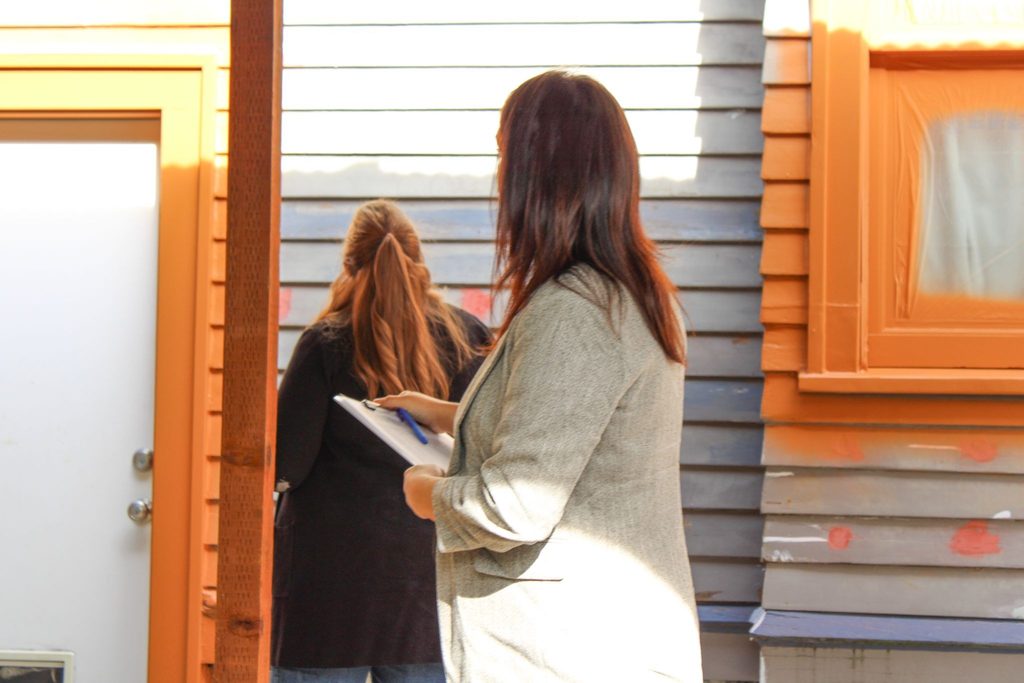
We do a lot of Exterior Painting across Portland, Vancouver, and the surrounding Oregon and Washington towns, and trim repair before painting is a huge part of that work, not something we tack on at the end. Wondering what a larger exterior project might involve? You can also check out our Exterior Pricing page for a realistic starting point before requesting an estimate.
Seeing peeling fascia, window trim, or cracked caulk around your Portland or Vancouver home? Claim your free quote and we’ll help you figure out whether you are looking at routine maintenance or something worth addressing before another wet season.
~Ashley & Crew!!
